
Six times Trump didn’t take over a state guard
LOS ANGELES – President Trump continues efforts to turn the military into his own personal police force against American citizens in Los Angeles. Prior to this week, President Trump and members of his administration have repeatedly and publicly declared that a takeover of the National Guard would be illegal. Local and state law enforcement have also stated that the military presence is exacerbating a situation that was otherwise under control.
It’s simple: President Trump’s militarization of Los Angeles is not about public safety; it’s about political retribution.
Here’s six times President Trump failed to take the same action during his previous administration, including instances where federal assistance was requested:
1. Washington, D.C. (January 6, 2021)

PHOTO: Evelyn Hockstein / Washington Post
Number of troops President Trump sent to assist: 0
When rioters violently stormed the U.S. Capitol, despite an actual request for federal National Guard assistance, President Trump failed to act. In fact, he encouraged them to go to the Capitol and “fight like hell.” Rather than calling for accountability, he chose instead to pardon the thousands of rioters involved — even those who physically harmed law enforcement officers.
2. Charlottesville, Virginia (2017)
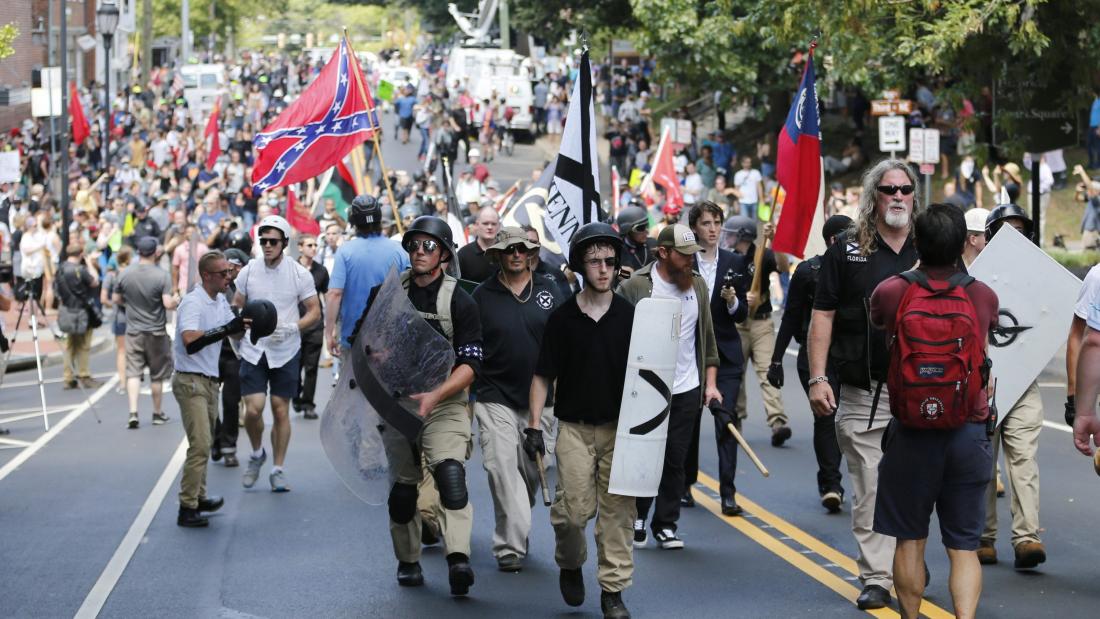
PHOTO: Steve Helber / AP Photo
An unlawful assembly of hundreds white supremacists, including Neo-nazis and Ku Klux Klansman, began on August 11, 2017, marching through the University of Virginia campus. On the second day of the rally, after being met by counterprotesters, the assembly became violent. Three people died, and dozens were injured. The Virginia governor activated the National Guard on August 12, a day after the violence began. Trump didn’t unilaterally take over the state guard or send in any other military units.
3. Memphis, Tennessee (2019)

PHOTO: Mark Weber / AP
After the shooting of Brandon Webber by U.S. Marshals in a neighborhood in Memphis, protests and violent incidents broke out. Dozens of police officers were injured. The Tennessee governor didn’t activate the state guard or request federal assistance, and Trump didn’t unilaterally take over the state guard or send in any other military units.
4. Minneapolis, Minnesota (2020)

PHOTO: Stephen Maturen/Getty Images
After the murder of George Floyd, demonstrations broke out throughout the country, beginning in Minneapolis. More than 9,000 demonstrations reportedly took place after Floyd’s murder, and dozens of deaths were reported. These demonstrations included a long-term unlawful assembly in Portland, Oregon. Multiple governors, including Governor Newsom, activated their state guards, while some did not, and Trump didn’t unilaterally take over any state guard.
5. Kenosha, Wisconsin (2020)

PHOTO: David Goldman / Associated Press
After the shooting of Jacob Blake in Kenosha, Wisconsin on August 23, 2020, protests turned into nightly confrontations with law enforcement. The unrest lasted more than a week. The Wisconsin governor activated the National Guard. Trump didn’t unilaterally take over the state guard or send in any other military units.
6. Philadelphia, Pennsylvania (2018)

PHOTO: Eduardo Munoz Alvarez / Getty Images
After the Philadelphia Eagles defeated the New England Patriots in the Super Bowl, a celebration turned violent. Revelers toppled street poles, smashed windows, looted, and even lit fires. In this case, a request for federal assistance was not made by the Governor and Trump didn’t federalize the National Guard.
Hear it from President Trump

President Trump in 2020 regarding protests in Portland: “We have to go by the laws. We can’t move in the National Guard. I can call insurrection but there’s no reason to ever do that, even in a Portland case, we can’t call in the National Guard, unless we are requested by a Governor.”