
California, Native American tribes break ground for California Indian Heritage Center
What you need to know: After the final Tribal Nations Summit of the Newsom administration, Governor Newsom and First Partner Siebel Newsom announced the groundbreaking of the first phase of the California Indian Heritage Center.
SACRAMENTO – Following the California Tribal Nations Summit, Governor Gavin Newsom and First Partner Jennifer Siebel Newsom announced the groundbreaking of the first phase of the California Indian Heritage Center (CIHC). The Governor met with tribal leaders at the Summit, and afterward, the First Partner joined more than 50 tribal, state, and local leaders to mark the groundbreaking.
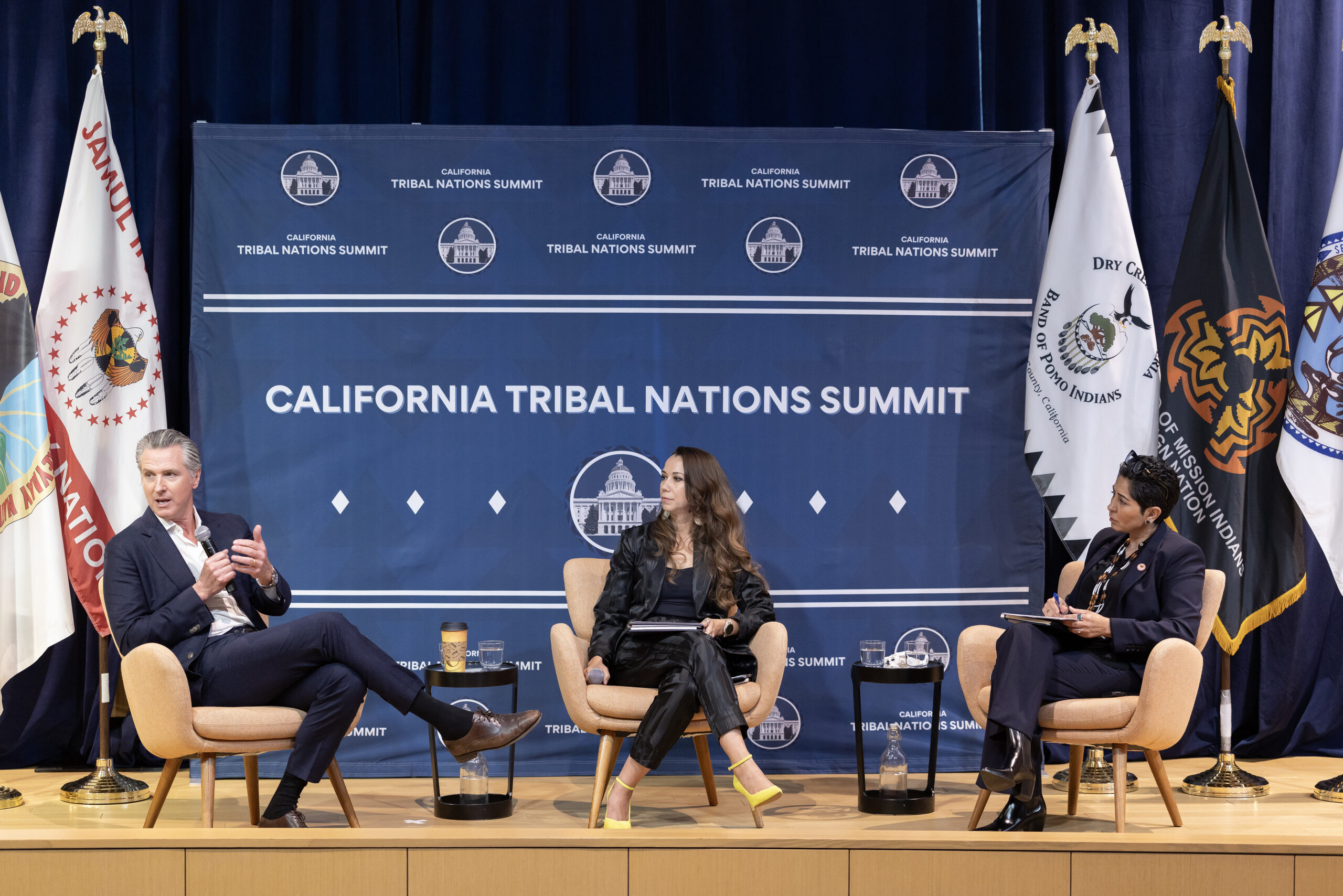
For almost eight years, I have had the honor of working with and learning from California Native American tribes across the state to recognize past wrongs, address them where possible, and establish new systems, resources, and initiatives to help Native communities thrive. The California Indian Heritage Center will be a long-standing part of this work, teaching generations yet to come about one of the fundamental parts of the state’s heritage
Governor Gavin Newsom
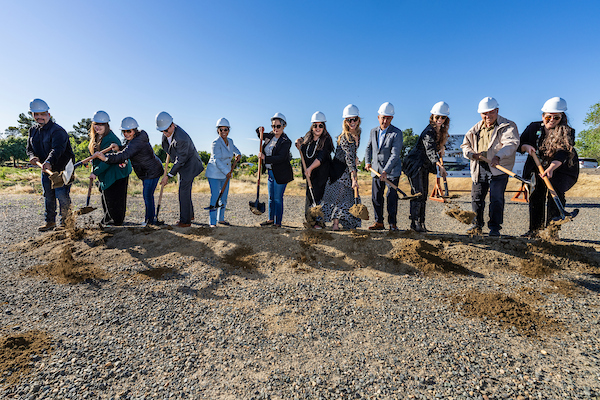
Sitting at the confluence of the American and Sacramento Rivers, the California Indian Heritage Center will be rooted in respect, community, education, and land stewardship. Together, through this new space, we can deepen public understanding of our state’s history, honor practices that have sustained communities for years, and create opportunities for dialogue across generations.
First Partner Jennifer Siebel Newsom
The Center will be located on a 51-acre property at the confluence of the American and Sacramento Rivers in West Sacramento. Expected to be completed in Fall 2026, phase one will create an outdoor welcome area with cultural and educational information, amphitheater-style seating, restrooms, and parking to welcome tribal and non-tribal communities. The area offers a space for all to enjoy the outdoors, as they reflect on the diversity, stewardship, expertise, and cultures of California tribes – first and original stewards of this land.
“Now, 175 years into California’s statehood, we can finally say that we are following through on a commitment to honor the first people of this place,” said Tribal Affairs Secretary Christina Snider-Ashtari. “Having a place where all California Native people can see that they are genuinely celebrated and belong as the foundational people of this state is worth the time and effort it has taken to get here.”
Once complete, the Center will invite visitors from across the globe to engage with and celebrate the living cultures of California Native American tribes. Tribes have shaped the Center’s design and future programming through ongoing consultation and community outreach, developing a statewide center for cultural preservation, learning, and land stewardship rooted in Native American values.
The project advanced with a $100 million state investment in the Governor’s 2018 to 2019 budget. The state retained Fentress Architects and Amaktoolik Studios to design and build the Center and set a goal to raise an additional $100 million for future phases.
The Tribal Nation Summit and the groundbreaking for the California Indian Heritage Center build on California’s work to address historical wrongs in the spirit of truth and healing.
Under the Newsom administration, strengthened partnerships between tribes and the state have produced outcomes, to name a few:
- Created a California Truth & Healing Council to understand and share the experience of all California Native Americans, with a report and recommendations coming this year;
- Supported the return of almost 40,000 acres of ancestral land to tribes;
- Created a landmark Tribal Stewardship Policy, which sets the goal to expand tribal stewardship for at least 7.5 million acres of land and coastal waters;
- Established a $100 million grant program to support tribally-led nature-based solutions;
- Completed the largest removal of a dam in U.S. history and restoration of 400 miles of the Klamath River for the benefit of salmon, tribes and the communities of the basin;
- Significantly increased cultural burning through agreements between tribes and the California Natural Resources Agency – the Karuk Tribe was the first to enter into such an agreement;
- Created the Feather Alert notification system for missing Native people throughout the state;
- As part of California Jobs First initiative, awarded $15 million in grants to support tribal projects aimed at spurring economic growth, providing job training, cultivating business development, protecting the environment, and conducting research and development;
- Created a new California Broadband Action Plan that explicitly included tribal lands in all broadband access and adoption opportunities – recently, the Bishop Paiute Tribe became the first customer of California’s Middle-Mile Broadband Network;
- And released the Native American Studies Model Curriculum, developed in collaboration with California tribes, Native scholars, educators, and community leaders.
Recent news
California, Native American tribes break ground for California Indian Heritage Center
What you need to know: After the final Tribal Nations Summit of the Newsom administration, Governor Newsom and First Partner Siebel Newsom announced the groundbreaking of the first phase of the California Indian Heritage Center.
SACRAMENTO – Following the California Tribal Nations Summit, Governor Gavin Newsom and First Partner Jennifer Siebel Newsom announced the groundbreaking of the first phase of the California Indian Heritage Center (CIHC). The Governor met with tribal leaders at the Summit, and afterward, the First Partner joined more than 50 tribal, state, and local leaders to mark the groundbreaking.
For almost eight years, I have had the honor of working with and learning from California Native American tribes across the state to recognize past wrongs, address them where possible, and establish new systems, resources, and initiatives to help Native communities thrive. The California Indian Heritage Center will be a long-standing part of this work, teaching generations yet to come about one of the fundamental parts of the state’s heritage
Governor Gavin Newsom
Sitting at the confluence of the American and Sacramento Rivers, the California Indian Heritage Center will be rooted in respect, community, education, and land stewardship. Together, through this new space, we can deepen public understanding of our state’s history, honor practices that have sustained communities for years, and create opportunities for dialogue across generations.
First Partner Jennifer Siebel Newsom
The Center will be located on a 51-acre property at the confluence of the American and Sacramento Rivers in West Sacramento. Expected to be completed in Fall 2026, phase one will create an outdoor welcome area with cultural and educational information, amphitheater-style seating, restrooms, and parking to welcome tribal and non-tribal communities. The area offers a space for all to enjoy the outdoors, as they reflect on the diversity, stewardship, expertise, and cultures of California tribes – first and original stewards of this land.
“Now, 175 years into California’s statehood, we can finally say that we are following through on a commitment to honor the first people of this place,” said Tribal Affairs Secretary Christina Snider-Ashtari. “Having a place where all California Native people can see that they are genuinely celebrated and belong as the foundational people of this state is worth the time and effort it has taken to get here.”
Once complete, the Center will invite visitors from across the globe to engage with and celebrate the living cultures of California Native American tribes. Tribes have shaped the Center’s design and future programming through ongoing consultation and community outreach, developing a statewide center for cultural preservation, learning, and land stewardship rooted in Native American values.
The project advanced with a $100 million state investment in the Governor’s 2018 to 2019 budget. The state retained Fentress Architects and Amaktoolik Studios to design and build the Center and set a goal to raise an additional $100 million for future phases.
The Tribal Nation Summit and the groundbreaking for the California Indian Heritage Center build on California’s work to address historical wrongs in the spirit of truth and healing.
Under the Newsom administration, strengthened partnerships between tribes and the state have produced outcomes, to name a few:
- Created a California Truth & Healing Council to understand and share the experience of all California Native Americans, with a report and recommendations coming this year;
- Supported the return of almost 40,000 acres of ancestral land to tribes;
- Created a landmark Tribal Stewardship Policy, which sets the goal to expand tribal stewardship for at least 7.5 million acres of land and coastal waters;
- Established a $100 million grant program to support tribally-led nature-based solutions;
- Completed the largest removal of a dam in U.S. history and restoration of 400 miles of the Klamath River for the benefit of salmon, tribes and the communities of the basin;
- Significantly increased cultural burning through agreements between tribes and the California Natural Resources Agency – the Karuk Tribe was the first to enter into such an agreement;
- Created the Feather Alert notification system for missing Native people throughout the state;
- As part of California Jobs First initiative, awarded $15 million in grants to support tribal projects aimed at spurring economic growth, providing job training, cultivating business development, protecting the environment, and conducting research and development;
- Created a new California Broadband Action Plan that explicitly included tribal lands in all broadband access and adoption opportunities – recently, the Bishop Paiute Tribe became the first customer of California’s Middle-Mile Broadband Network;
- And released the Native American Studies Model Curriculum, developed in collaboration with California tribes, Native scholars, educators, and community leaders.