
Governor Newsom deploys elite wildfire team to Washington State as western fires surge
Since 2020, CAL FIRE’s Incident Management Teams has been activated 65 times to support complex incidents
What you need to know: As dangerous wildfires burn across the West and strain neighboring state resources, Governor Gavin Newsom is deploying one of California’s most experienced CAL FIRE Incident Management Teams to Washington State, while CAL FIRE and Cal OES crews and specialists continue supporting other states and international partners, including technical assistance and training for French officials responding to their own wildfires.
SACRAMENTO – Governor Gavin Newsom today announced the deployment of CAL FIRE Incident Management Team 4 to Washington State at the request of the Washington Department of Natural Resources, under the Northwest Compact Agreement. The team will help manage the Sinlahekin Fire burning in rural Okanogan County during a severe, climate‑driven fire season across the western United States.
With fires burning from California to Washington and across the West, California isn’t sitting on the sidelines. We’ve built the technology, the staffing, and the capacity not just to fight our own fires, but to send help when our neighbors are in trouble. From Bainbridge Island to Burgundy, California is showing what real climate and wildfire leadership looks like.
Governor Gavin Newsom
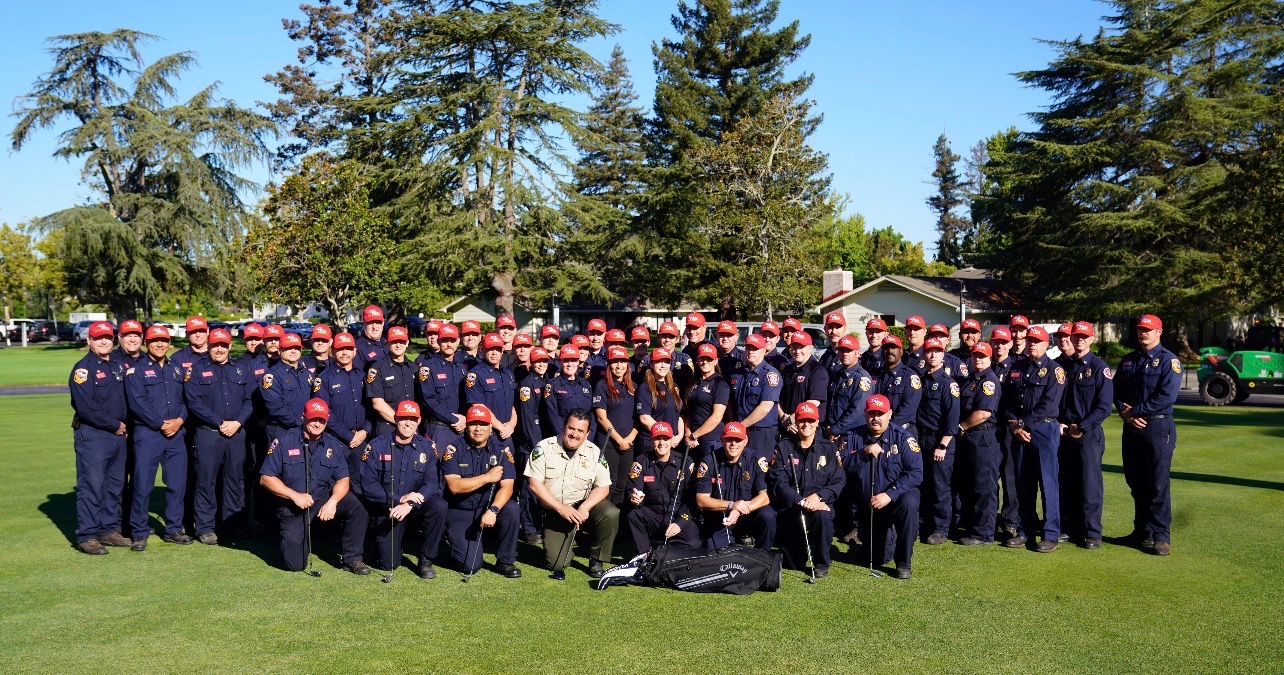
CAL FIRE Incident Management Team 4 at the Pickett Fire
This deployment marks the first time a CAL FIRE Incident Management Team has been mobilized to Washington State under the Northwest Compact Agreement. It reflects how California’s sustained investments in modern firefighting tools, aircraft, and year‑round staffing have positioned the state to support other communities while maintaining strong protections at home.
The team will provide incident leadership on the Sinlahekin Fire, which ignited from a lightning strike on Sunday, July 26, roughly 12 miles west of Tonasket in the Sinlahekin Valley, an area known for its steep, rugged terrain. In just three days, the fire has grown to more than 8,500 acres, driven by dry grass and timber, rolling boulders, falling dead trees, and rocky ledges that have kept firefighters from engaging the blaze directly in some areas. Forecasters expect windier conditions in the days ahead, which could push the fire further and limit the use of aircraft dropping water and retardant.
The Northwest Compact is a longstanding mutual aid agreement among participating states and provinces that strengthens wildfire response through the sharing of personnel, equipment, and resources when local capabilities are exceeded. The agreement ensures jurisdictions can quickly provide assistance during periods of elevated wildfire activity while maintaining readiness within their own states.
California’s capacity to lead
CAL FIRE maintains six Type 1 All‑Hazard/Complex Incident Management Teams, which are specialized leadership teams trained to run the largest and most complicated emergencies. These teams coordinate everything on a major incident: firefighting operations, planning, logistics and supplies, finance, public information, and safety.
This summer, a CAL FIRE Incident Management Team and strike teams have supported multiple states across the West as they face their own severe fire seasons, while the California Governor’s Office of Emergency Services (Cal OES) has deployed additional resources and experts through established mutual aid and emergency management agreements. These deployments have included on‑the‑ground firefighting, urban search and rescue support, and recovery planning, alongside continued coverage for communities here at home.
“Wildfires do not recognize boundaries, nor does our shared commitment to helping one another,” said CAL FIRE Director, Chief Joe Tyler. “Our Incident Management Teams are among the most experienced in the world, and we are proud to support our partners in Washington as they work to protect lives, communities, and natural resources.”
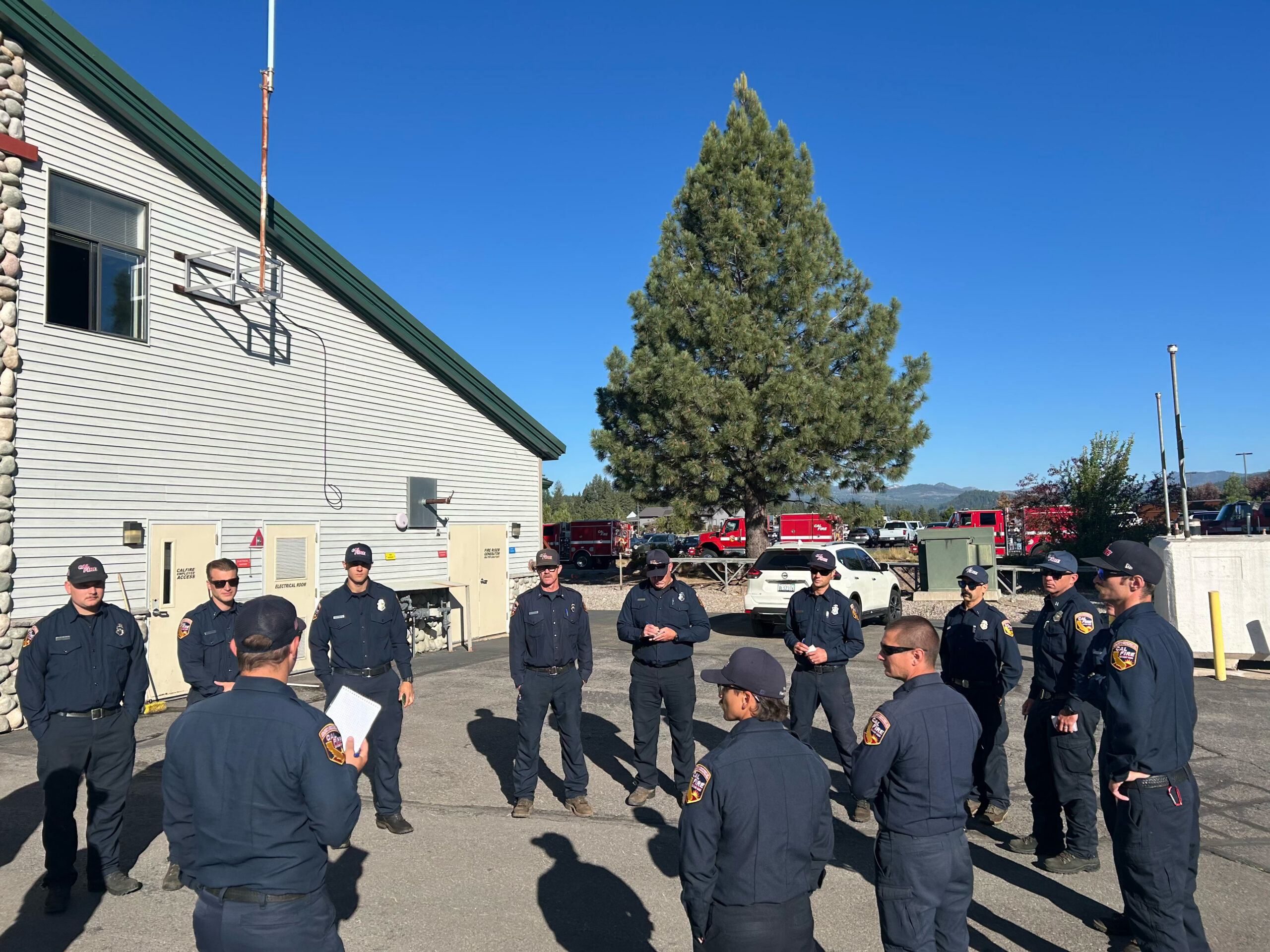
California’s recent deployment to Colorado to fight the Aspen Acres Fire
From Bainbridge Island to Burgundy
Under Governor Newsom’s leadership, California has deepened partnerships with states, tribal nations, and international regions facing the same climate‑driven threats. These agreements allow firefighters, specialists, and equipment to move quickly to where they are needed most and create channels for sharing lessons learned from large, complex fires.
In addition to helping states like Washington and other western states respond to active fires this summer, Cal OES is providing technical assistance and training to French emergency and fire officials as they prepare for and respond to their own wildfires. California experts are sharing best practices on incident management, modern wildfire modeling, and community protection, strengthening ties with European regions and helping protect communities far beyond the state’s borders.
Filling the gap
As climate‑driven fires grow larger and more destructive, California continues to move forward with its own investments and mutual aid commitments, even as federal disaster leadership and long‑term recovery support have not kept pace with the scale of the crisis.
California has strengthened mutual aid systems, invested in modern firefighting technology and personnel, and created new tools to help wildfire survivors rebuild, often stepping in where other levels of government have lagged or delayed aid. The state’s willingness to deploy teams across the West and send technical experts overseas is part of California’s broader choice: to lead, rather than wait.
Strong at home, strong for our neighbors
The Northwest Compact is a long‑standing mutual aid agreement among western states and Canadian provinces that allows them to share firefighters, leadership teams, and equipment when local resources are overwhelmed, while still ensuring each state keeps enough personnel ready at home.
Since 2020, CAL FIRE’s Incident Management Teams have been activated 65 times to support complex incidents. These deployments have included responses to major wildfires, natural disasters, and extended recovery efforts, including support to the State of Hawaii following the devastating Maui wildfires.
By deploying Incident Management Team 4 to Washington under this agreement, and by sending other CAL FIRE and Cal OES resources across the West and overseas for training and technical support, California is strengthening firefighter and public safety and demonstrating that with the right investments in training, staffing, and technology, a state can be both well‑protected at home and a reliable partner beyond its borders.
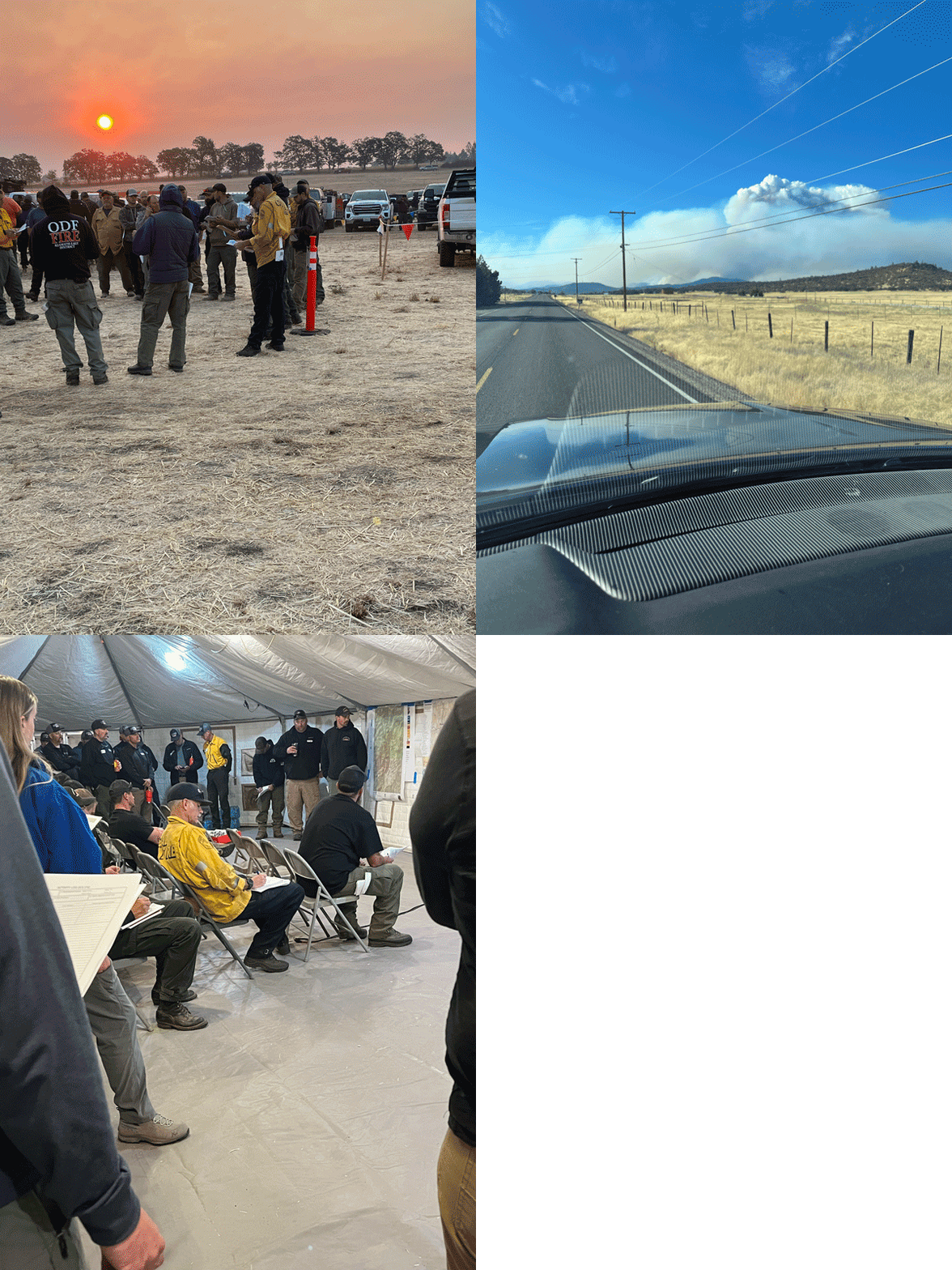
California’s recent deployment to Oregon under the Northwest Compact to fight against the East Evans Creek Fire
California’s mutual aid leadership
CAL FIRE and Cal OES remain committed to protecting California communities while standing ready to support partner states and countries through mutual aid, technical assistance, and international climate partnerships, as peak wildfire season intensifies across the West and around the world.
Recently, California deployed resources to Colorado marking the first time CAL FIRE has deployed firefighting resources to Colorado under the National Association of State Foresters (NASF) state-to-state partnership. California also recently deployed firefighting resources to Oregon under the Northwest Compact.
California teams have responded to disasters in Florida, Washington, Alaska, Texas, New Mexico, Montana, Wisconsin, Hawaii, Jamaica, Arizona, and Puerto Rico. Hurricanes Harvey, Irma, and Maria, and Hurricane Ian are among other events California has supported.