Governor Newsom’s mental health reform continues to deliver, announcing 15 new projects expanding care across the state
What you need to know: Delivering on the Governor’s approach to create more treatment and fix a behavioral health system suffering from decades of neglect, the state is continuing its landmark transformation to better serve Californians. Governor Newsom highlights 15 recent projects that will expand crisis, residential, youth, tribal, and community-based treatment capacity statewide, contributing to California’s more than $5.8 billion investment in behavioral health since 2021.
SACRAMENTO – As California paves the way for more community-based treatment and delivers visible progress in its transformation of the behavioral healthcare system, Governor Newsom today highlighted last quarter’s 15 Behavioral Health Continuum Infrastructure Program (BHCIP) projects that reached construction and ribbon opening milestones, including new youth centers and expanded crisis and residential services.
Since 2021, BHCIP and Bond BHCIP have awarded a total of $5.8 billion to expand behavioral health resources and infrastructure across the state. Also, more than 27,500 outpatient slots have been created through the Bond BHCIP alone. Together, these projects funded by Proposition 1 and state investments continue to demonstrate the state’s commitment to serving Californians.
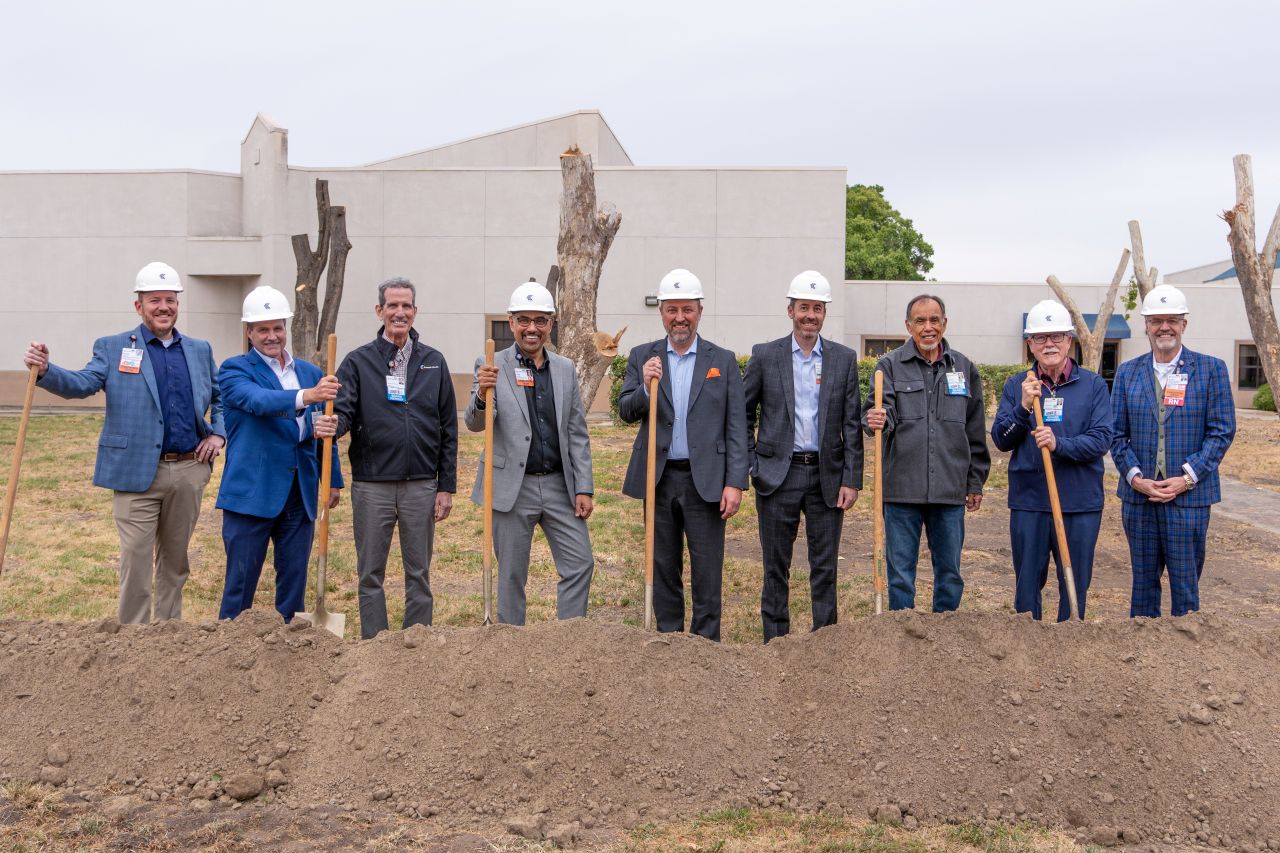
Representatives of Kaweah Delta Health Care District, joined by Tulare County community members, gather in Visalia, California, to break ground on the district’s new Child/Adolescent Addition to its Mental Health Hospital
Communities across the state are seeing the results of Proposition 1 and our infrastructure investments: real treatment options, closer to home, designed for preventative care, and long-term recovery. This is what it looks like when we deliver to Californians the mental health care system they deserve, laying the foundation for lasting, statewide change.
Governor Gavin Newsom
Helping more than 5 million Californians
The projects were funded by the state’s BHCIP and Bond BHCIP awards, managed by the California Department of Health Care Services (DHCS). Bond BHCIP awards are funded by Proposition 1, which was approved by voters in 2024.
Bond BHCIP builds upon the foundation of the earlier BHCIP initiative, which began in 2021 in partnership with the Legislature and was previously funded through the state budget.
Programs such as BHCIP and Bond BHCIP have helped create more residential and crisis treatment centers statewide.
-
Since 2021, BHCIP and Bond BHCIP have awarded a total of $5.8 billion to expand behavioral health resources and infrastructure. This has resulted in more than 437 projects across 546 behavioral health facilities, which will create more than 9,553 new beds and more than 47,163 new outpatient slots projected to serve more than 5.4 million individuals annually.
-
Through Bond BHCIP alone, the state has now awarded funding to local communities a combined 6,919 residential treatment beds and more than 27,500 outpatient slots, exceeding Proposition 1 statewide goals in just two years and supporting more than 170 projects across 333 facilities.
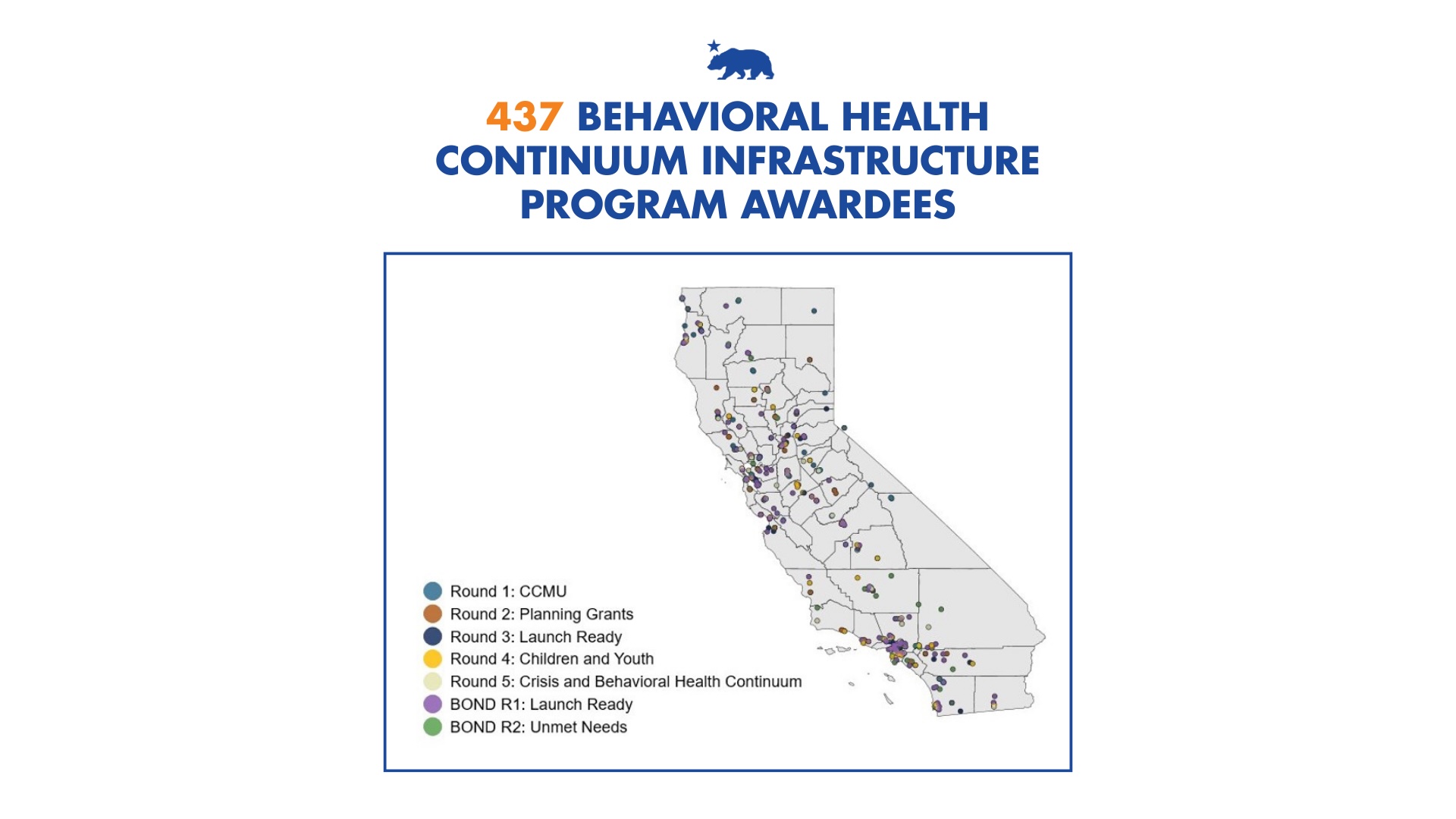
Together, these efforts help strengthen the state’s long‑term community‑based behavioral health infrastructure — and have helped California achieve the first statewide reduction in unsheltered homelessness in 15 years — a 9% drop.
“These new facilities and programs reflect how much we can accomplish when we combine shared purpose with real investment,” said California Health and Human Services Agency Secretary Kim Johnson. “With Proposition 1 accelerating this momentum, we are bringing treatment, crisis care, and recovery services within reach for more families and building a stronger, more equitable system.”
“Every BHCIP project reflects the dedication of local leaders, tribal communities, and partners to strengthen California’s behavioral health system,” said DHCS Director Michelle Baass. “Californians can now access treatment that is more responsive and closer to home, helping them get the care they need when they need it.”
Projects are advancing quickly, enabling the state to surpass its targets for new residential beds and outpatient slots, with a focus on tribal, rural, and underserved areas.
Strengthening rural treatment capacity
In the second quarter of 2026, Proposition 1 funding for BHCIP paved the way for four behavioral health treatment groundbreakings in rural areas:
-
Mendocino County: Consolidated Tribal Health Project, Inc. hosted a groundbreaking for its behavioral health expansion project, which will add 200 outpatient slots to serve 9,462 individuals annually. This project is supported by more than $9 million in Bond BHCIP Round 1 funds.
-
Humboldt County: The Yurok Tribe and Yurok Health and Human Services broke ground on the Wah-Sekw-Won Treatment Center (Yurok Health and Wellness), supported by a $26 million BHCIP Round 1: Launch Ready award. The center will include 53 inpatient residential treatment beds for men and women, adult residential substance use disorder treatment services, outpatient behavioral health services projected to serve approximately 1,300 people annually, and behavioral health counseling and primary care services.
-
Glenn County: Glenn County Health and Human Services Agency Behavioral Health broke ground on the Orland Youth and Family Wellness Center, a three-facility project that will add 197 outpatient slots projected to serve 48,462 individuals annually. The county received more than $17 million in BHCIP Round 4 funds to expand youth and family behavioral health services.
-
Tuolumne County: Mathiesen Memorial Health Clinic broke ground on the Mathiesen Memorial Health and Wellness Center in Jamestown. The project will add 24 outpatient treatment slots serving 4,608 people annually, and is supported by nearly $14 million in BHCIP Round 5 funds to expand opioid treatment services.
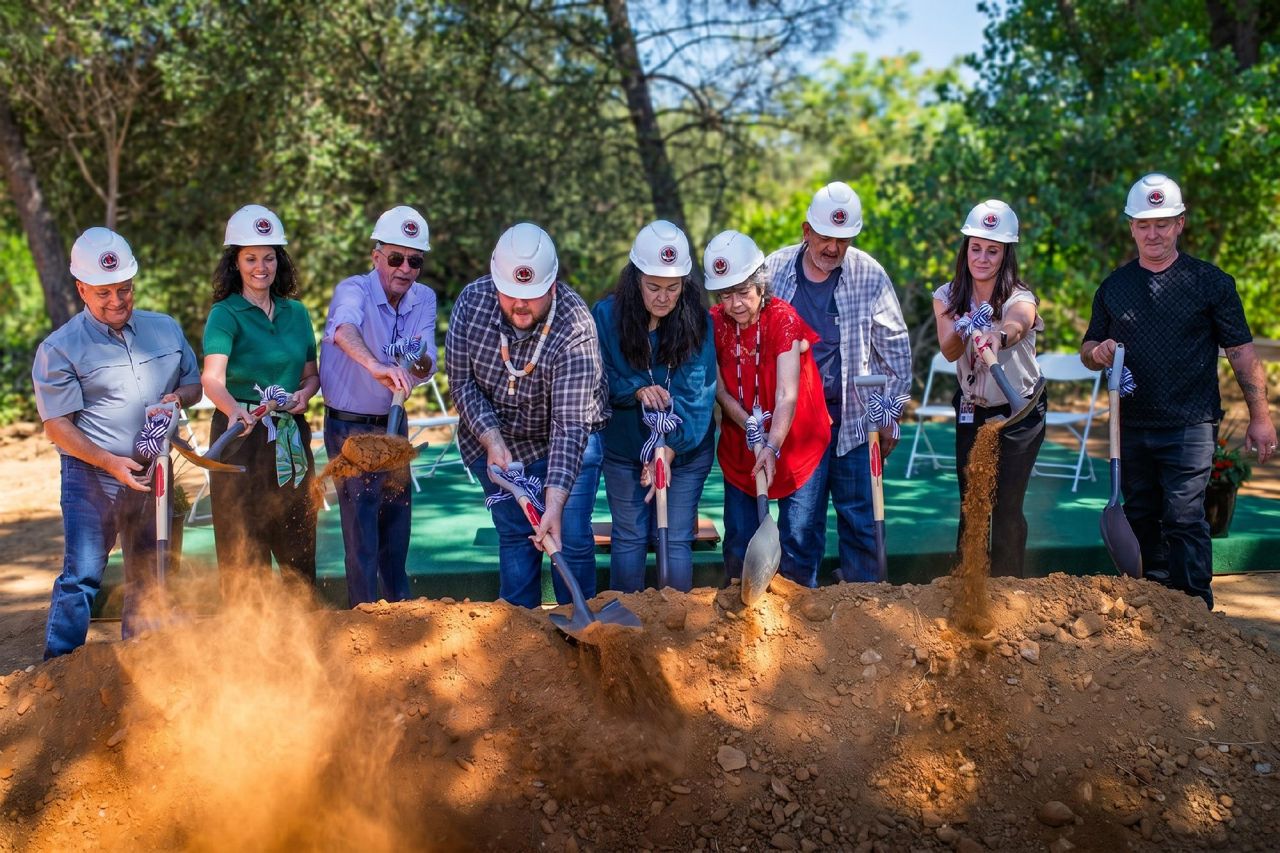
Members of Mathiesen Memorial Health, the Chicken Ranch Rancheria Me-Wuk Indians of California, and the community break ground on the Mathiesen Memorial Health and Wellness Center in Jamestown, Tuolumne County, California.
Strengthening rural treatment capacity
In the second quarter of 2026, Proposition 1 funding for BHCIP paved the way for four behavioral health treatment groundbreakings in rural areas:
-
Mendocino County: Consolidated Tribal Health Project, Inc. hosted a groundbreaking for its behavioral health expansion project, which will add 200 outpatient slots to serve 9,462 individuals annually. This project is supported by more than $9 million in Bond BHCIP Round 1 funds.
-
Humboldt County: The Yurok Tribe and Yurok Health and Human Services broke ground on the Wah-Sekw-Won Treatment Center (Yurok Health and Wellness), supported by a $26 million BHCIP Round 1: Launch Ready award. The center will include 53 inpatient residential treatment beds for men and women, adult residential substance use disorder treatment services, outpatient behavioral health services projected to serve approximately 1,300 people annually, and behavioral health counseling and primary care services.
-
Glenn County: Glenn County Health and Human Services Agency Behavioral Health broke ground on the Orland Youth and Family Wellness Center, a three-facility project that will add 197 outpatient slots projected to serve 48,462 individuals annually. The county received more than $17 million in BHCIP Round 4 funds to expand youth and family behavioral health services.
-
Tuolumne County: Mathiesen Memorial Health Clinic broke ground on the Mathiesen Memorial Health and Wellness Center in Jamestown. The project will add 24 outpatient treatment slots serving 4,608 people annually, and is supported by nearly $14 million in BHCIP Round 5 funds to expand opioid treatment services.
Expanding residential and recovery treatment
-
Los Angeles County: The TransLatin@ Coalition broke ground on its Trans Behavioral Health and Wellness Center, which will include three outpatient facilities providing 55 combined slots and serving 13,390 individuals annually. The nonprofit project received $17.5 million in BHCIP Round 5 funds to expand behavioral health and wellness services.
-
Marin County: Marin County Department of Health and Human Services held a ribbon-cutting ceremony in San Rafael for its Closing the Gap: Residential Services for Adults with Co-Occurring Disorders project, establishing a 15-bed adult residential substance use disorder treatment facility. The county received nearly $8 million in BHCIP Round 5 funds to expand residential treatment capacity.
-
Imperial County: Imperial County Behavioral Health Services broke ground in El Centro for its adult residential substance use disorder treatment facility, a 16-bed program supported by $17 million in BHCIP Round 5 funds to expand behavioral health and substance use treatment capacity.
-
Tulare County: Kaweah Delta Health Care District broke ground in Visalia for its Child/Adolescent Addition to Mental Health Hospital project, adding 22 inpatient beds. This project is backed by $8.7 million in BHCIP Round 4 funds to expand inpatient behavioral health services.
-
Santa Cruz County: Encompass Community Services hosted a ribbon-cutting ceremony in Watsonville for its Residential Withdrawal Management and Transitional Age Youth Capacity Expansion projects. Together, the projects deliver a 7‑bed residential facility and a 48‑slot outpatient program projected to serve 17,472 individuals annually, along with an additional 8‑bed residential facility supported by Bond BHCIP Round 1. The combined investments include $9 million in BHCIP Round 4 funds and nearly $4 million in Bond BHCIP Round 1 funds.
-
Riverside County: A.B.C. Recovery Center, Inc. held a ribbon‑cutting ceremony in Indio for its substance use and mental health expansion project, creating a 120‑bed residential treatment facility and a 26‑slot outpatient program serving 6,760 individuals each year. The nonprofit received $27 million in BHCIP Round 3 funds to expand mental health and substance use treatment services across the county.
Building a stronger community behavioral health system
-
Sacramento County: WellSpace Health broke ground on its Mental Health Rehabilitation Center, a 200‑bed facility supported by more than $23 million in BHCIP Round 5 funds to expand intensive treatment capacity.
-
Santa Barbara County: The Santa Barbara Department of Behavioral Wellness held a ribbon‑cutting ceremony for its Haley St. Youth and Family Services project, which includes two facilities providing 1,550 outpatient treatment slots projected to serve 385,950 individuals annually. The county received nearly $6 million in BHCIP Round 4 funds to strengthen youth and family behavioral healthcare.
-
Los Angeles County: Beach Cities Health District broke ground in Redondo Beach for its Allcove Beach Cities project, adding 96 outpatient slots serving 24,000 individuals annually. The project is supported by $6.3 million in BHCIP Round 4 funds to expand youth wellness and prevention services in Los Angeles County.
-
Stanislaus County: Aspiranet held a ribbon cutting for the Central Valley Transition Aged Youth Independence Program, featuring a 6-bed residential treatment facility and a 12-slot outpatient treatment facility serving 2,988 individuals annually in an outpatient setting, supported by $8.7 million to expand behavioral health treatment in BHCIP Round 4.
-
Contra Costa County: Contra Costa County broke ground on the Contra Costa Recovery Center, a 45‑bed Mental Health Rehabilitation Center supported by $18.6 million to expand intensive behavioral health treatment capacity for county residents, in BHCIP Round 5.
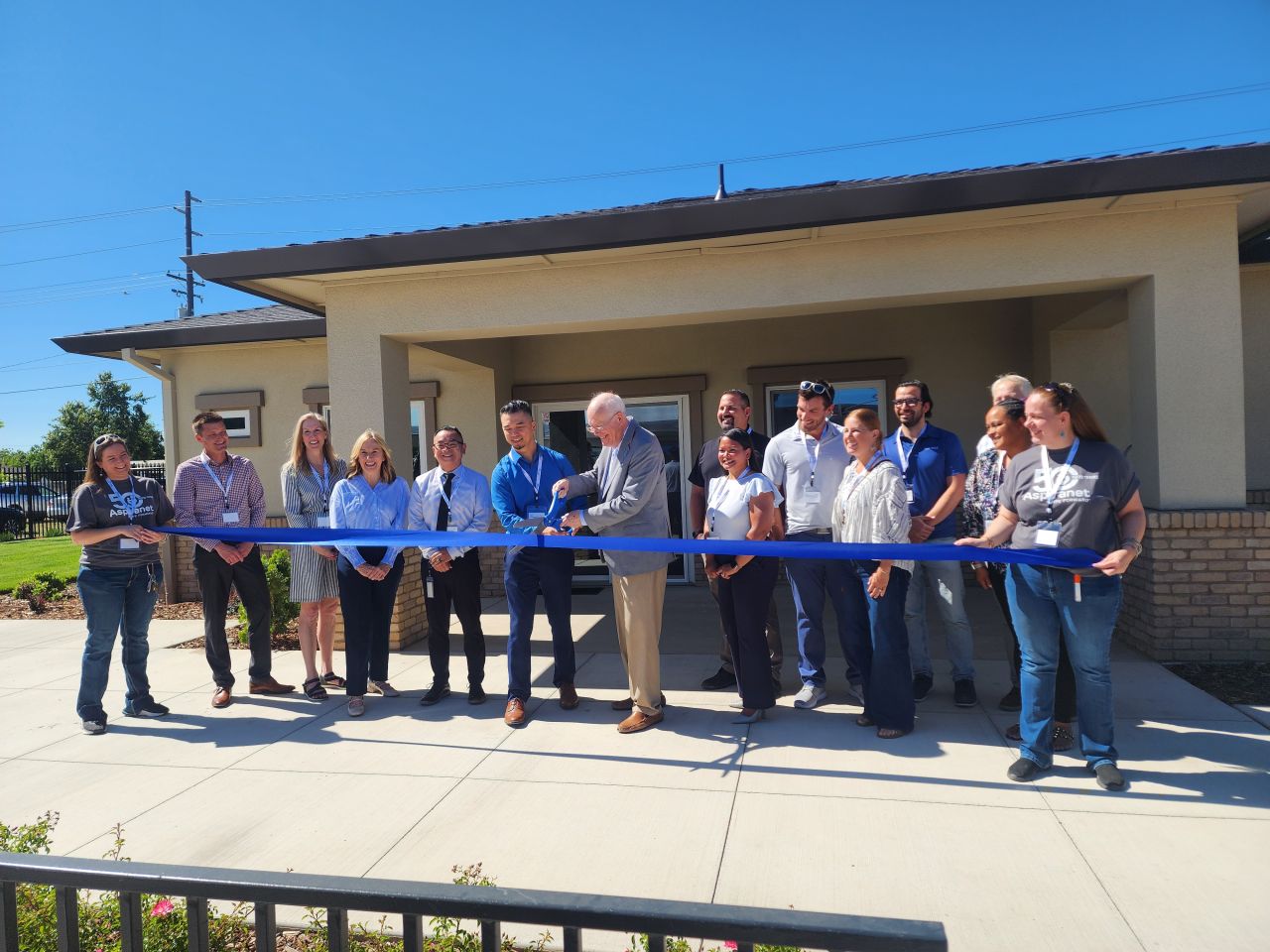
Aspiranet, along with community members, holding a ribbon cutting for the opening of the Central Valley Transition Aged Independence Program in Stanislaus County
Building a stronger mental health system for all Californians
Proposition 1 and BHCIP fit within a broader behavioral health strategy, Mental Health for All, which represents California’s continued commitment to responsibly investing public dollars to strengthen the state’s behavioral health system. Launched under Governor Newsom’s leadership, this bold initiative is building a stronger, more equitable, and more accountable behavioral health system for Californians across their lifespans.
From addressing the crisis of loneliness in young men through the state’s Path and Purpose Initiative, strengthening tools like the 988 suicide hotline, expanding community mental health supports, building stronger prevention strategies, improving reentry through more robust reentry strategies, building more housing and support, creating stronger trauma and crisis response for children, investing in California’s behavioral health workforce and establishing a first-in-the nation CARE Court process to help severely mentally ill people get treatment, Governor Newsom is fixing a broken behavioral health system that has suffered from decades of neglect.
Since 2024, the state has broken ground on 97 BHCIP-funded facilities, and 41 are now open and providing services. Recent efforts span prevention, youth services, housing, reentry supports, and investments in the behavioral health workforce. These investments aim to reverse decades-old gaps in care, reduce homelessness, and keep Californians with serious behavioral health needs out of the criminal justice system through a stronger, more coordinated statewide treatment system.