
California targets illicit cannabis operations, seizing more than $230 million in products this year
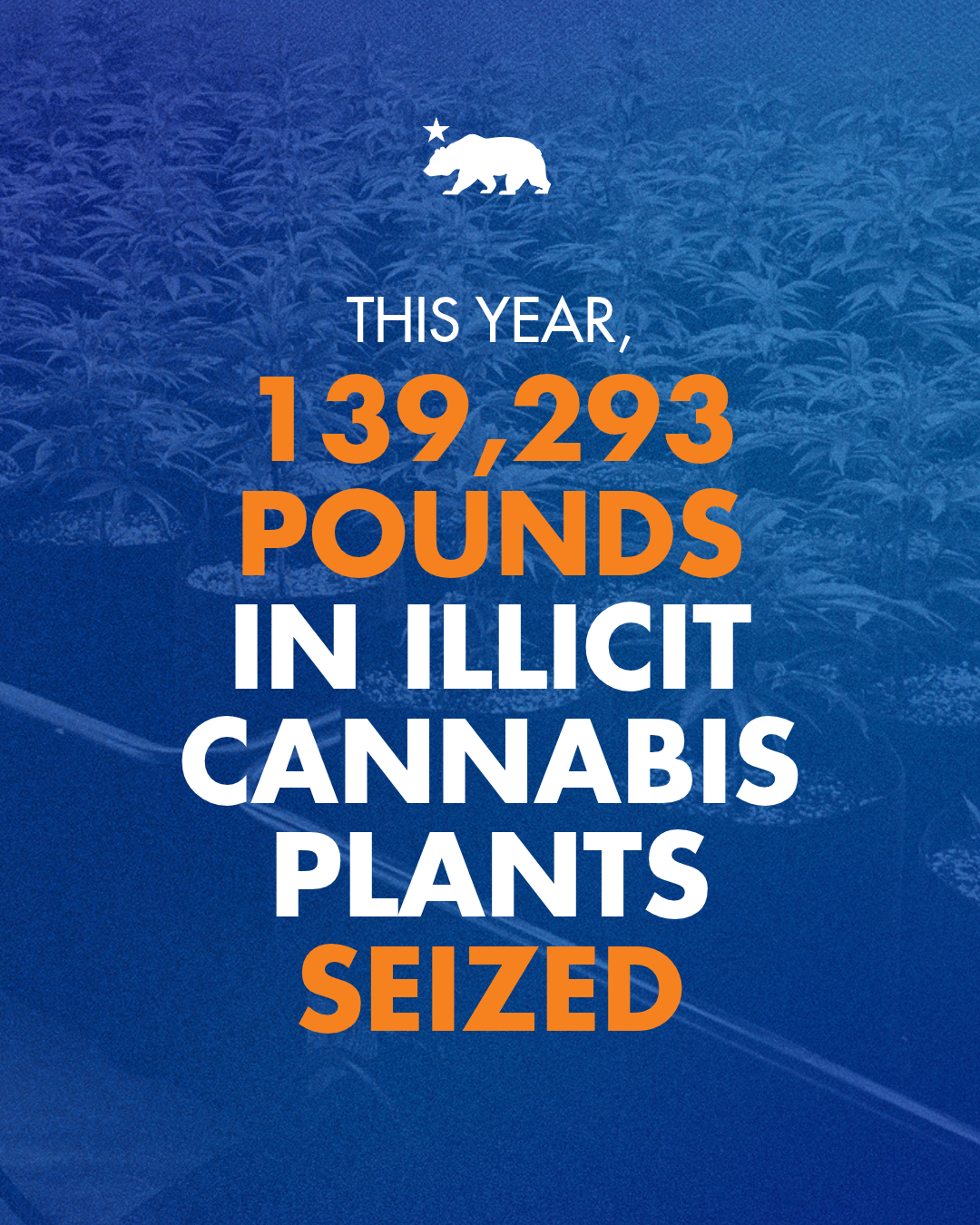
What you need to know: Governor Newsom announced California authorities have seized or destroyed 139,293 pounds of illicit cannabis valued at more than $230 million so far in 2026. Since the task force began, officers have seized or destroyed illicit cannabis valued at more than $1.47 billion.
SACRAMENTO – As California continues its coordinated statewide crackdown on the illicit cannabis market, Governor Gavin Newsom today announced authorities have seized and destroyed more than 139,000 pounds of illegal cannabis worth more than $230 million so far this year. The overall enforcement effort through the Unified Cannabis Enforcement Task Force (UCETF) targets illegal operations that threaten public safety, damage California’s natural resources and undermine the state’s regulated cannabis industry. Through September 2026, these enforcement efforts have also eradicated 236,846 cannabis plants.
California is taking action against the illegal cannabis operations that put our communities at risk, damage our environment and undermine businesses that play by the rules. Through strong partnerships across state and local government, we’re disrupting these operations and protecting Californians.
Governor Gavin Newsom
Since the Governor established California’s UCETF in 2022 to strengthen coordination among state, local and federal agencies working to combat California’s illicit cannabis market, enforcement has resulted in:
- $1.47+ billion in estimated illicit cannabis seized or destroyed
- 896,514 pounds of illicit cannabis seized or destroyed
- 1,441,826 cannabis plants eradicated
The task force is co-chaired by the California Department of Cannabis Control (DCC) and the California Department of Fish and Wildlife (CDFW) and coordinated by the Governor’s Office of Emergency Services. These cumulative results reflect the scale of California’s ongoing effort to disrupt the illicit cannabis market and address the criminal activity and environmental damage associated with illegal cultivation.
“Large-scale illegal cannabis operations are inherently unsafe for our communities and can be incredibly damaging to California’s ecosystems—our natural legacy,” said CDFW Director Meghan Hertel. “UCETF provides vital resources, strengthens coordination among partners and reinforces our shared commitment to California’s ongoing work to dismantle these illegal activities while protecting Californians and the state’s unique natural resources.”
“Illicit cannabis in California is a complex problem, but one that we will not stop taking enforcement action against,” said DCC Director Clint Kellum. “We will always fight to eradicate illegal cannabis because it makes way for the legal cannabis market to thrive and helps ensure Californians have access to safe, trusted product.”
Q3 enforcement results
Between July and September 2026, operations coordinated by California’s Unified Cannabis Enforcement Task Force resulted in:
-
55,308 pounds of illicit cannabis seized or destroyed
-
108,226 cannabis plants eradicated
-
More than $91 million in estimated illicit cannabis removed from the market
-
14 arrests
-
Nine firearms confiscated
-
$29,215 in cash seized
-
Enforcement activity across nine counties
Targeting illegal operations and protecting communities
Third-quarter enforcement operations uncovered a range of threats associated with large-scale illegal cannabis cultivation, including suspected organized criminal activity, illegal water diversions, hazardous pesticides, utility theft, electrical bypasses and serious fire hazards. Investigators also identified indicators of potential labor exploitation during one investigation.
In Alameda County, authorities seized more than 19,300 pounds of illicit cannabis and eradicated more than 38,500 plants during operations targeting indoor cultivation sites in Hayward and Oakland. Investigators identified suspected connections to broader organized criminal networks, along with utility theft, electrical hazards and unregistered pesticides.
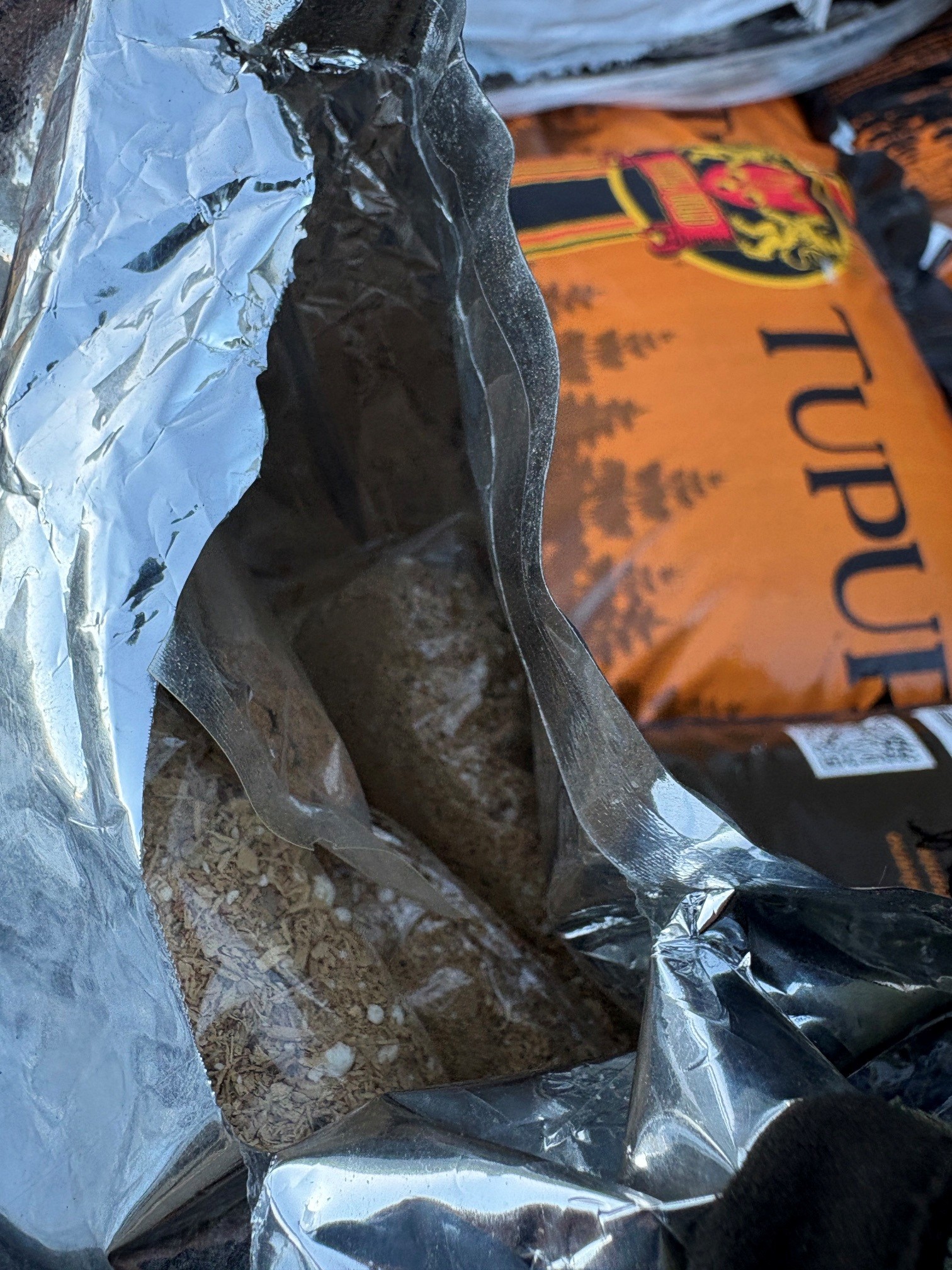
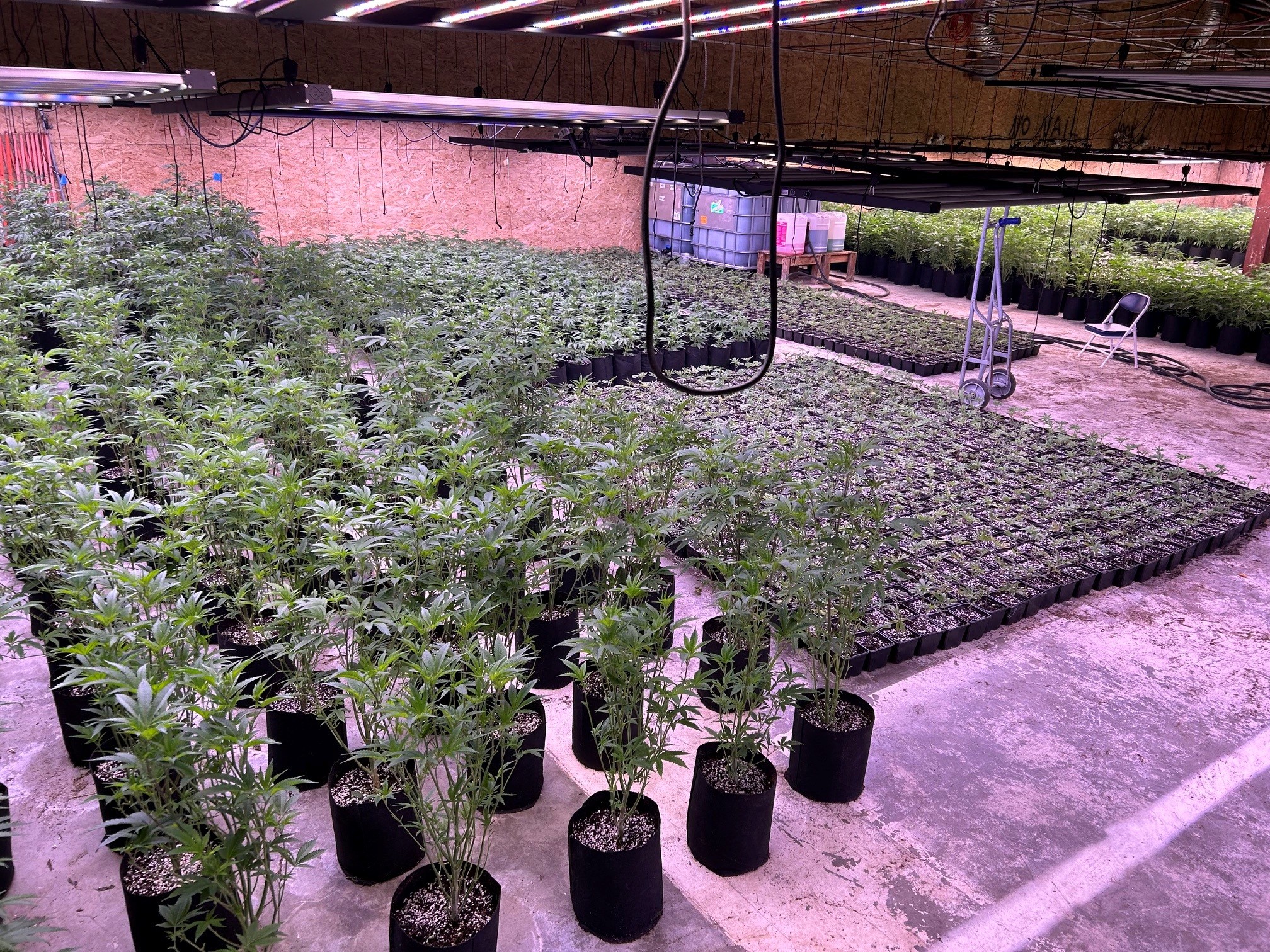
In Mendocino County, multiple coordinated operations resulted in more than 4,400 pounds of illicit cannabis seized or destroyed and nearly 7,000 plants eradicated. Investigators documented illegal water diversions and other environmental violations affecting sensitive watersheds and habitat.
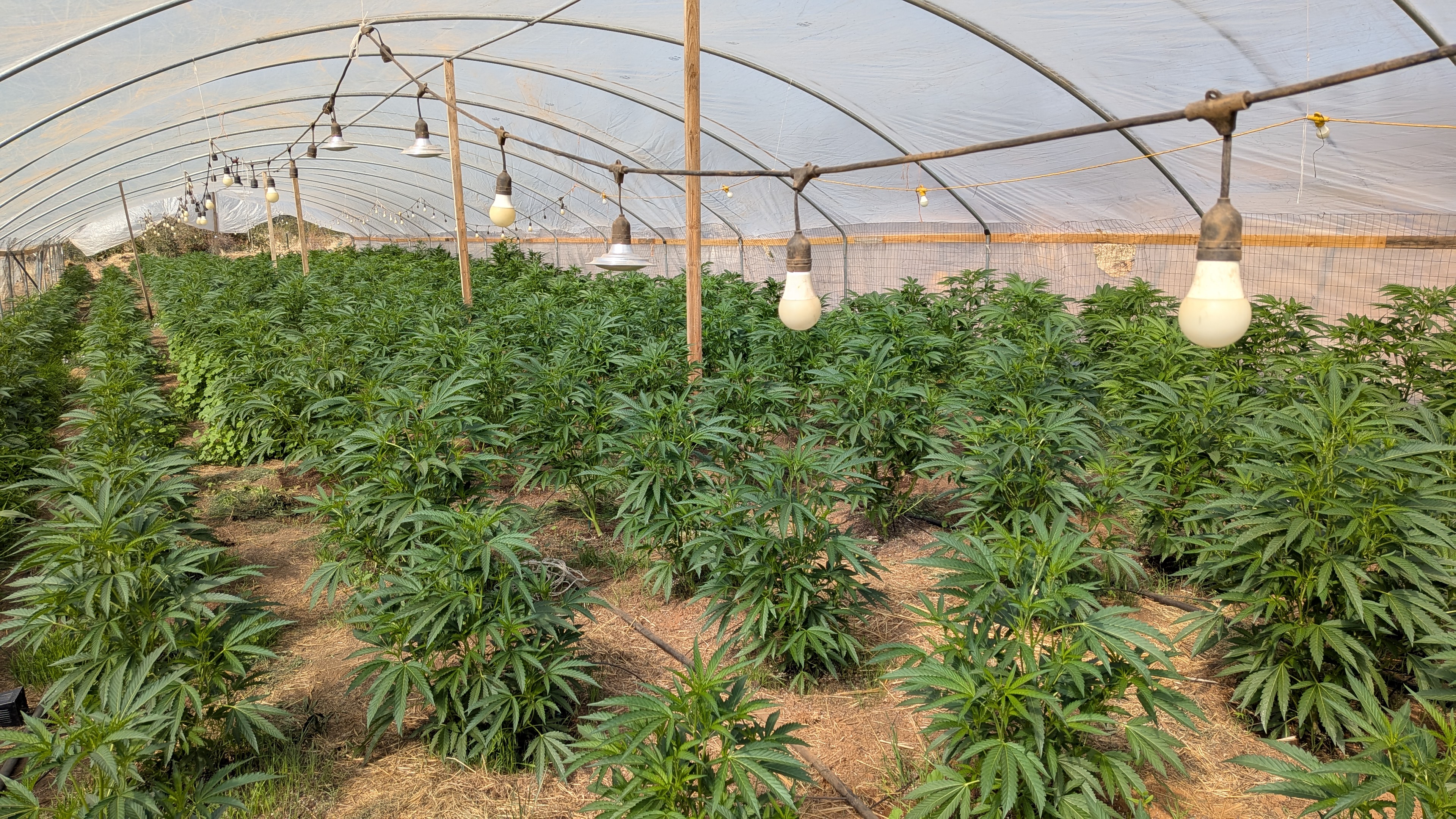
In Butte County, a multiagency operation near the Lake Oroville State Recreation Area resulted in nearly 2,700 pounds of illicit cannabis seized or destroyed, more than 5,300 plants eradicated and six arrests. Investigators also identified illegal water diversion, electrical bypasses and other environmental and public- safety concerns.
A sustained statewide effort
The task force brings together state and local agencies with expertise in law enforcement, cannabis regulation, environmental protection, taxation, labor standards, emergency response and public safety. This coordinated approach allows authorities to investigate not only illegal cannabis cultivation, but also related violations involving environmental damage, unsafe electrical systems, illegal water use, potential tax evasion and labor exploitation.
California will continue working with its partners to disrupt illegal cannabis operations, protect communities and natural resources, and support a legal cannabis market that operates under the state’s rules.
To learn more about California’s legal cannabis market, state licenses and cannabis laws, visit cannabis.ca.gov.
To learn how to recognize and report illegal cannabis cultivation on public lands in California, see CDFW’s fact sheet.